

Water treatment
using our efficient cleaning methods
We are specialised in offering complete soulutions zo our custermers.
Our service personnel offers services in the field of plant operation, remote plant monitoring and plant maintenance. On request, we monitor your plant 24 hours a day in our central control room using data processing technology. If faults occur, our mobile operating personnel can be on site within the shortest possible time and rectify the fault.

We clean:
- Waste water from industrial plants
- groundwater
- process water
- leachate
- surface water
Our standard treatment processes:
- Flockulation process with downstream sludge treatment
- Strip air process with downstream strip air treatment
- Adsorption process
- Filtration process
- Reverse osmosis
Our specialized processes:
- Uranium removal from water using the polymer “GoPur®3000”
- Vinyl chloride removal from water using our stripping air process with downstream strip air purification
- Adsorptive hydrogen sulfide (H₂S) removal
- Biological ammonium (NH₄⁺) removal
Our services include the following individual offerings:
- Preliminary study
- Process development
- Turnkey plant construction
- Plant monitoring
- Plant operation
- Plant maintenance
Our solution
for clean groundwater
The problem: In many parts of the world, groundwater and drinking water are contaminated with arsenic. Medical studies have shown that long-term consumption of arsenic-contaminated drinking water leads to skin changes and, in the worst cases, to cancer. For this reason, the World Health Organization (WHO) has recommended a drinking water limit of 10 μg/L for arsenic. With conventional treatment technology, the effort required to achieve this limit is particularly high and therefore cost-intensive.

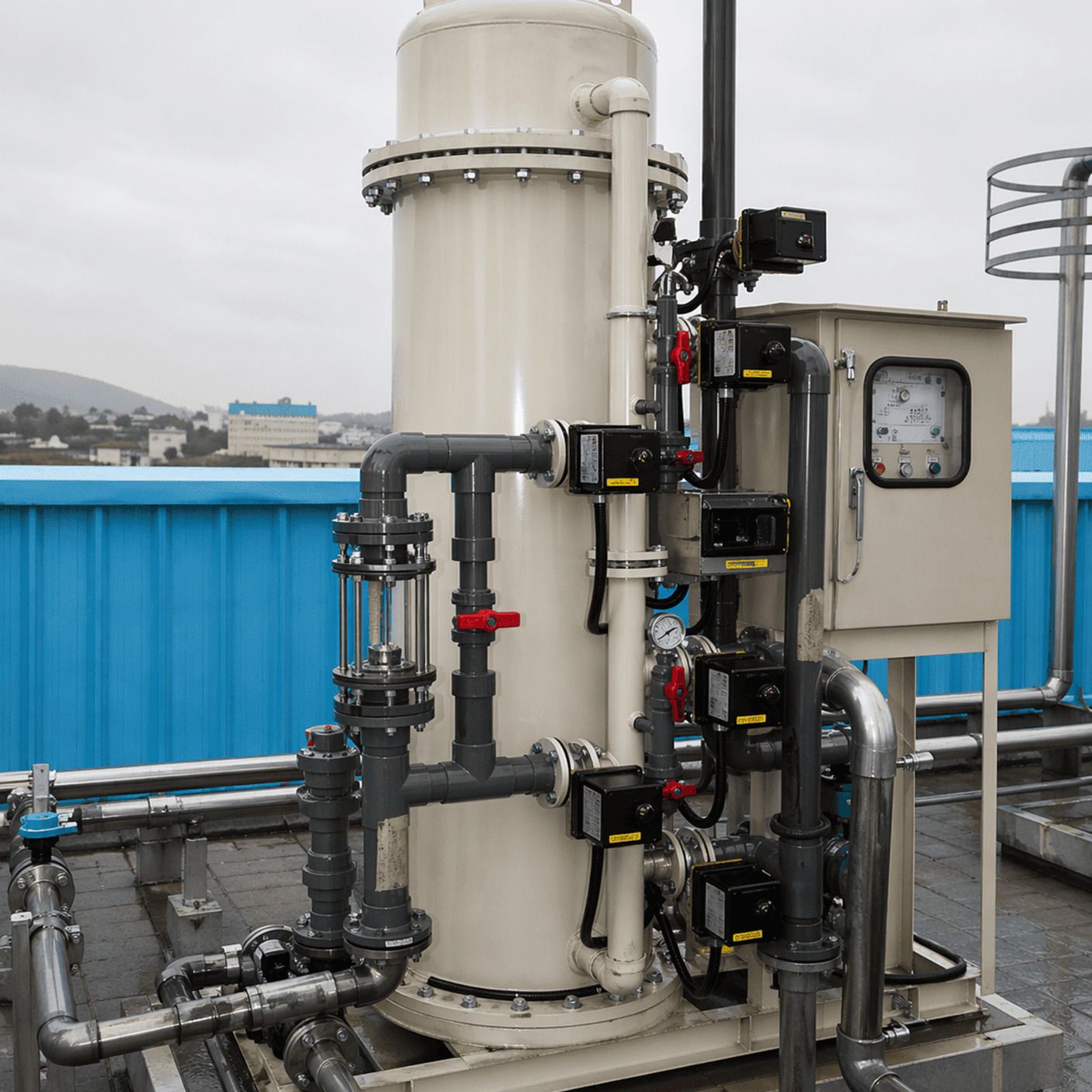
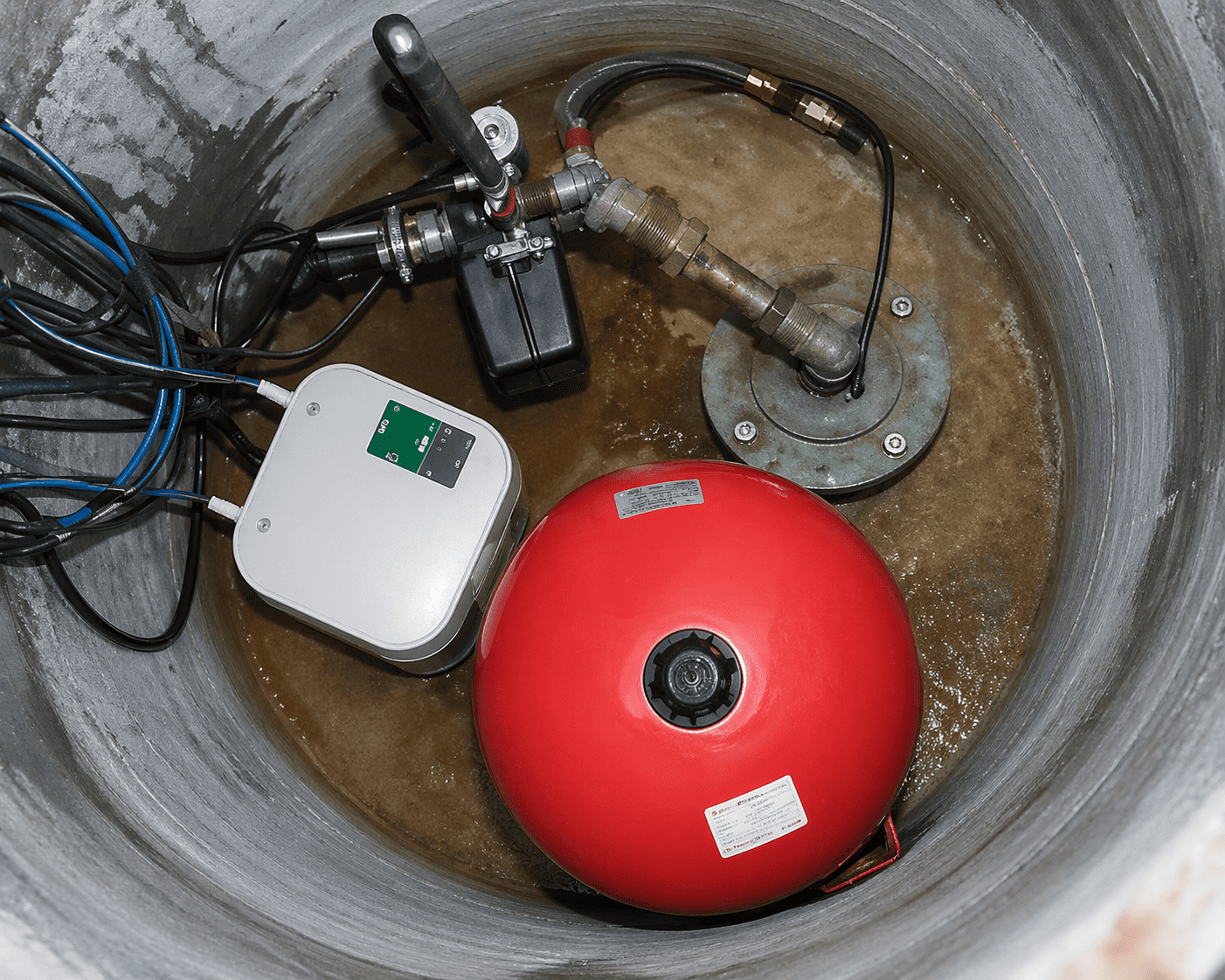
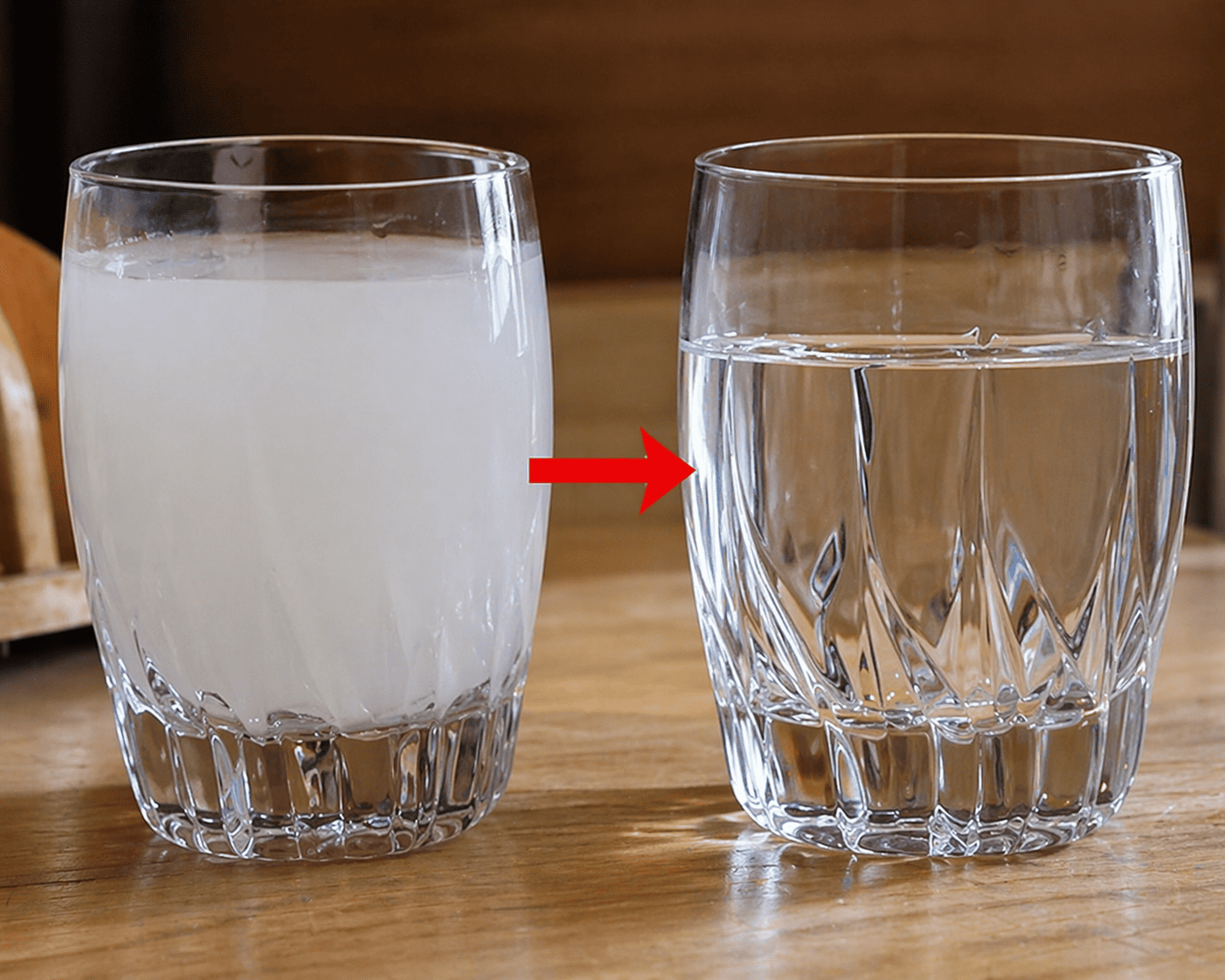
The solution: The solution is provided by our special adsorbent FerroSorp® Plus. FerroSorp® Plus is a high-purity iron hydroxide-containing granulate that can be used to remove arsenites and arsenates from water. In the first step, the arsenic is adsorbed onto the FerroSorp® surface. In the second step, the reaction proceeds to form a stable iron arsenate. Furthermore, phosphates, In the second step, a reaction occurs to form a stable iron arsenate. Furthermore, phosphates, heavy metals, and hydrogen sulfide are adsorbed by FerroSorp® Plus.
Herbst Umwelttechnik GmbH offers both small filters for home well water purification and complete drinking water treatment systems. Our FerroSorp®-Plus filter offers you high purification performance at low acquisition and operating costs. Thanks to its compact size, the filter can be integrated into any existing system.
H₂S Separation
How it works:
The Herbst H₂S-Clean adsorption system can be used to completely remove dissolved hydrogen sulfide (H₂S) from fresh or brackish water.
Iron hydroxide is used in this process to adsorb and catalytically remove H₂S from the water. Iron hydroxide is a reddish-brown iron hydroxide granulate. Iron hydroxide is not classified under any water hazard class, is completely non-toxic, and is insoluble in water. The removal of H₂S occurs depending on the dissolved oxygen concentration in the water via the following reactions:
- Reduction of iron(III) hydroxide: 2 Fe(OH)₃ + H₂S → 2 Fe(OH)₂ + S + H₂O
- Precipitation of sulfide: 2 Fe(OH)₃ + H₂S → FeS + H₂O
Both the precipitated elemental sulfur (S) and the iron sulfide (FeS) are insoluble in water and, at the concentrations present, do not pose a hazard to water. Depending on the water flow rate, we use both unpressurized reactors and pressurized reactors. We typically design the H₂S adsorbers so that maintenance is required only once a year and the spent iron hydroxide must be replenished.
Depending on the pressure drop in the iron hydroxide bed, the adsorbers are backwashed. The backwash water removes elemental sulfur and iron sulfide in particulate form from the adsorbers. The backwash water can be discharged into the sewer system. If this is not possible, Herbst Umwelttechnik GmbH offers a backwash water treatment plant.
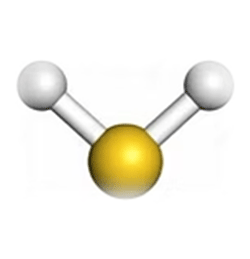
Small absorbers for home use
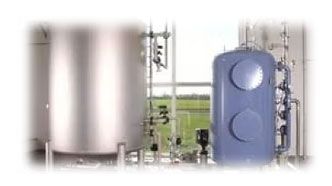
Absorbers for industrial use
The Benefits
of the Herbst Absorber
- Low investment costs
- Low operating costs
- Sustainable odor removal
- Corrosion prevention
- H₂S concentration in purified water below the detection limit

Water purification
with sediment dewatering
The problem: Gravel and sand processing generates wash water containing solids. These solids consist primarily of silt particles, which, due to their small particle size, sediment very poorly. This results in very long retention times for the clarification of the wash water. Furthermore, the solids can be concentrated in the commonly used static thickeners to dry matter values of a maximum of 5%. If the wash water is treated in settling ponds, the space requirement is very large. In both cases, a large portion of the valuable wash water is bound in the sludge and is no longer available for the washing process.

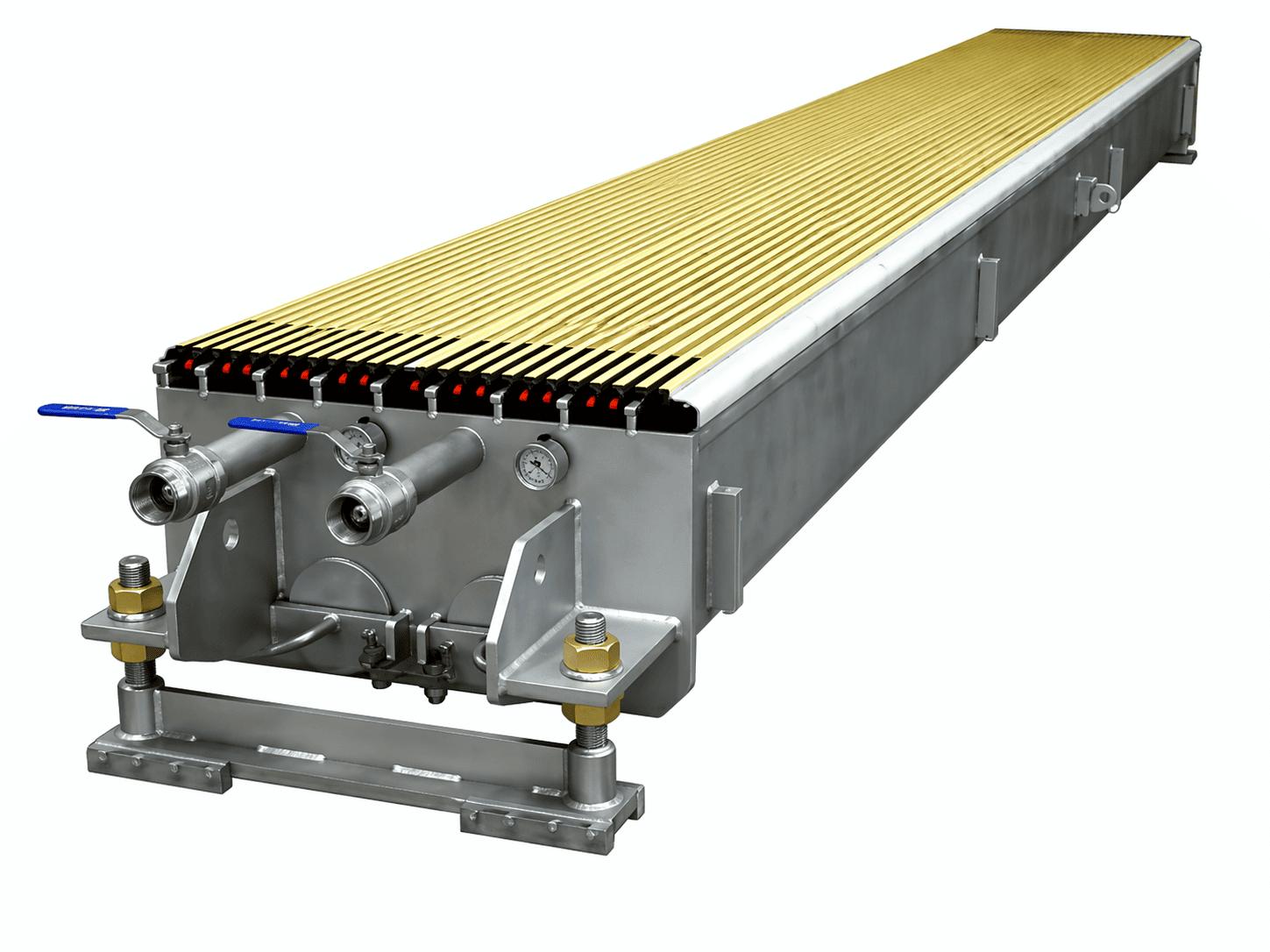

The Solution: The KS process from Herbst Umwelttechnik GmbH offers the solution. Using this process, the wash water is first conditioned via dual flocculation. In dual flocculation, two different flocculants are used; due to their properties, cause the silt particles to agglomerate, releasing the bound capillary water in the process, thereby forming a stable floc structure. This makes it possible to feed the solids-rich wash water to a mechanical dewatering device. In the second process step, the conditioned water containing turbidity is fed to a belt filter.
On a horizontal dewatering section, the free water flows through a filter cloth. Built-in flow baffles accelerate the dewatering process. At the end of the dewatering section, the dewatered sludge is discharged and fed to a conveyor system. The dry matter content of the dewatered sludge is more than 50%. The filtrate water is largely free of turbidity and can be returned to the washing process.
Precipitation
with sediment dewatering
The problem: Gravel and sand processing generates wash water containing solids. These solids consist primarily of silt particles, which, due to their small particle size, sediment very poorly. This results in very long retention times for the clarification of the wash water. Furthermore, the solids can be concentrated in the commonly used static thickeners to dry matter values of a maximum of 5%. If the wash water is treated in settling ponds, the space requirement is very large. In both cases, a large portion of the valuable wash water is bound in the sludge and is no longer available for the washing process.


The Solution: The optimized two-chamber polymer solution station is a system tailored to every application and features the following design characteristics:
- uniform dosing of the polymer granules
- optimal wetting of the individual granules
- stable ratio between polymer dosage and dissolution water volume
- intensive mixing during the dissolution and curing process
- sufficient curing time
